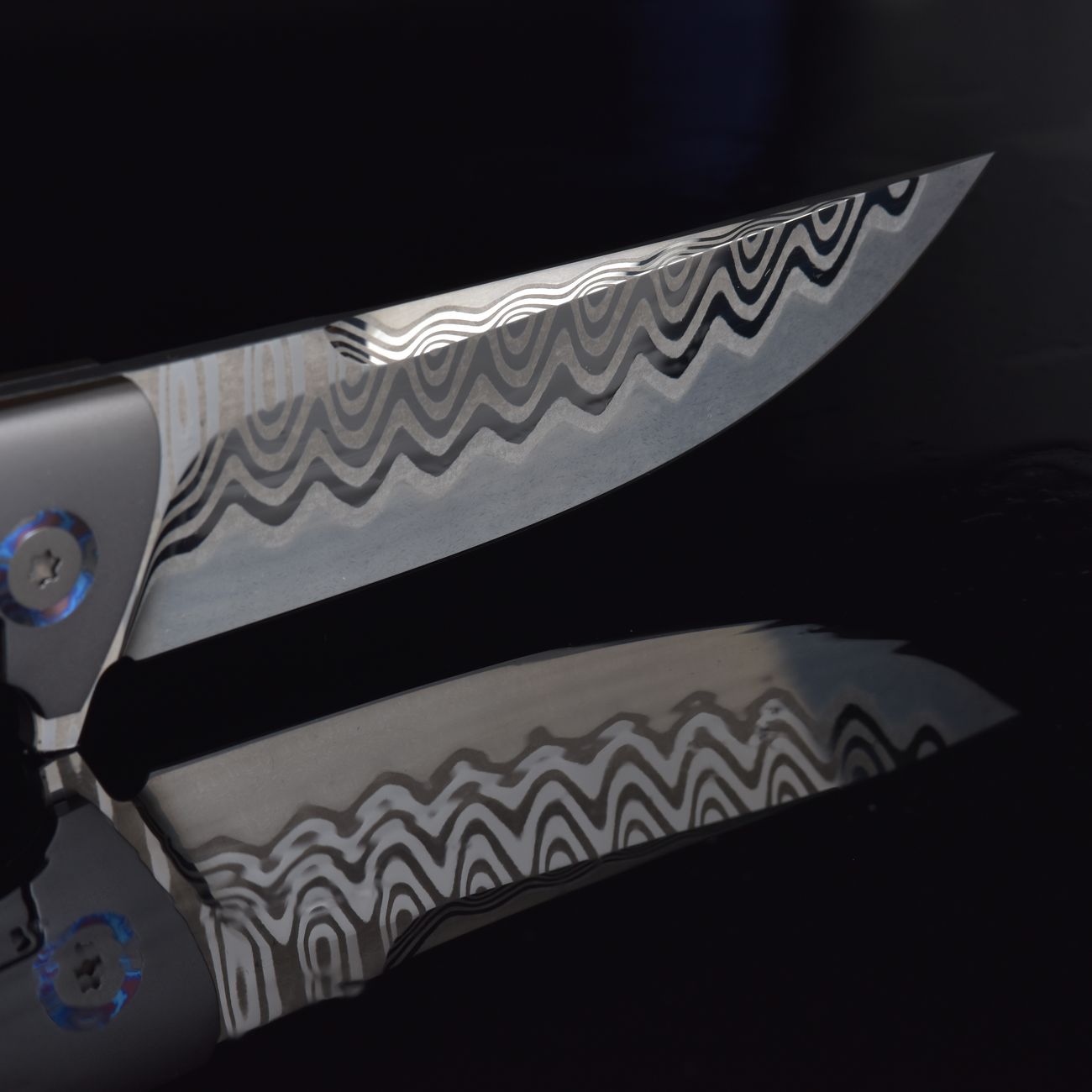
workhorse
High-carbon steel
The blade steel. Hardenable, forgiving, everywhere.
1095 · 1075
A forge skills library and metalworking community — learn to read the heat, swing true, and quench an edge that stays.

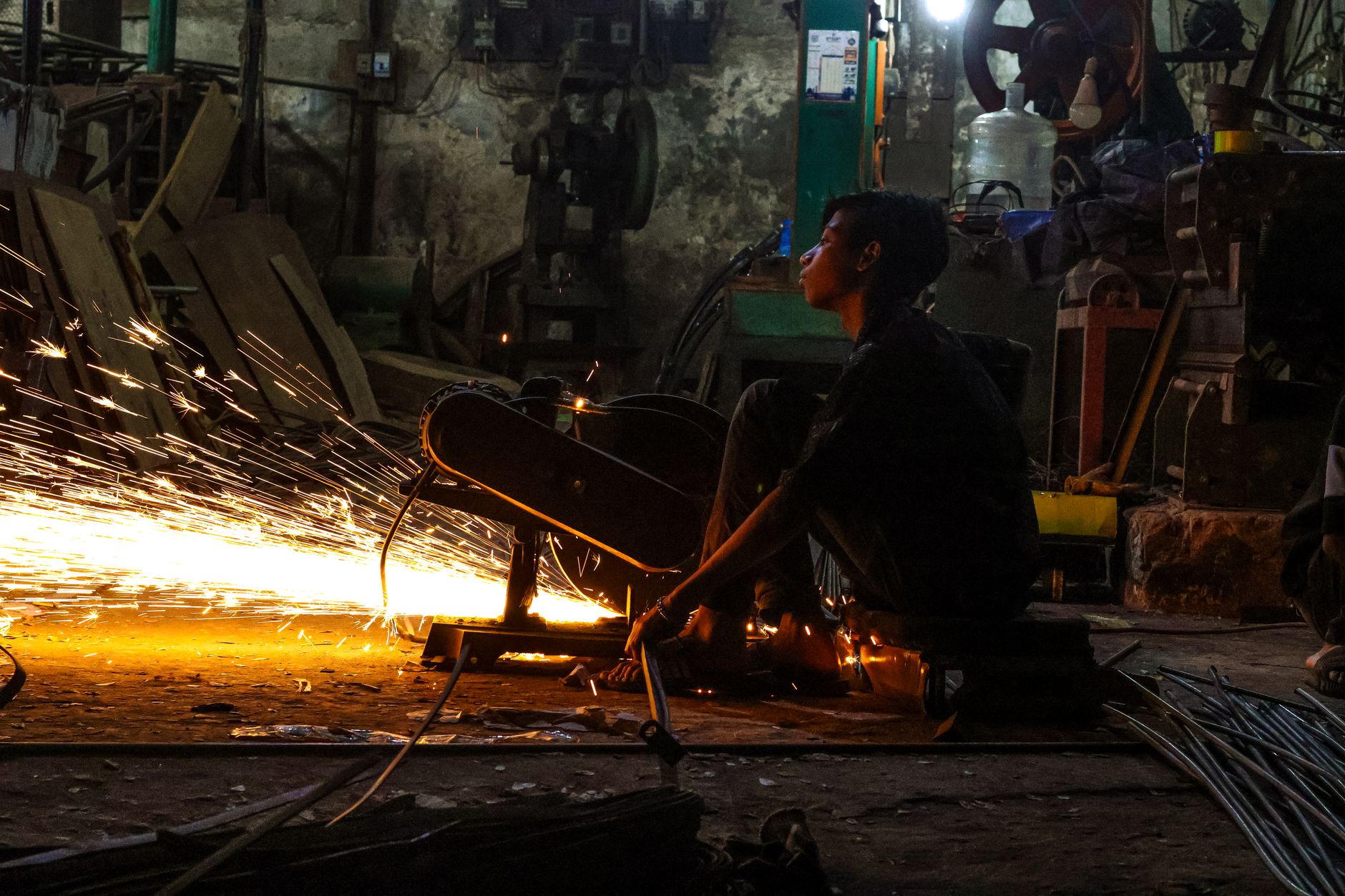
No secrets. Just temperature, a hammer, and time.
Bring the stock to cherry red and keep it there. Below the critical temp it won't move, above it you burn the carbon out.
Draw it out, upset it, fuller it — every strike either moves metal or consolidates it.
Into the oil, then temper it back. Hard enough to hold, tough enough to flex.
Learn the craft, not just the image of it.
Setting up, reading the heat, hammer work, and the quench — the whole craft, step by step.
The heat-color scale, from black heat to white-hot, and the critical temp every smith knows.
Blades, damascus, and heat-treating taught by people who still forge for a living.
Coal, gas, or induction — what each forge does, and which one suits your shop.
Makers, bladesmiths, and hammer-ins. Forge alone, learn together.
What the old hands know, written down before it's forgotten.
Shot where the sparks actually fly.
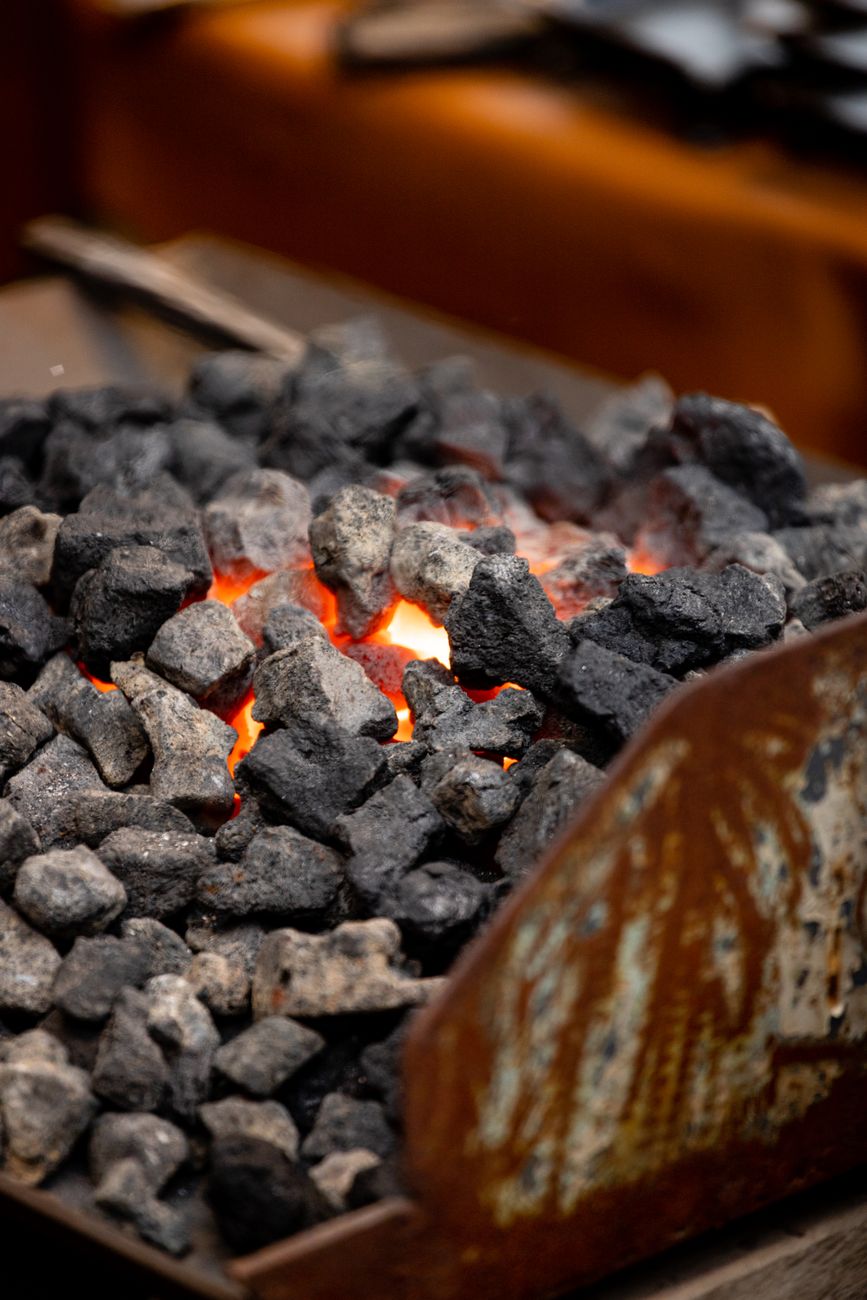
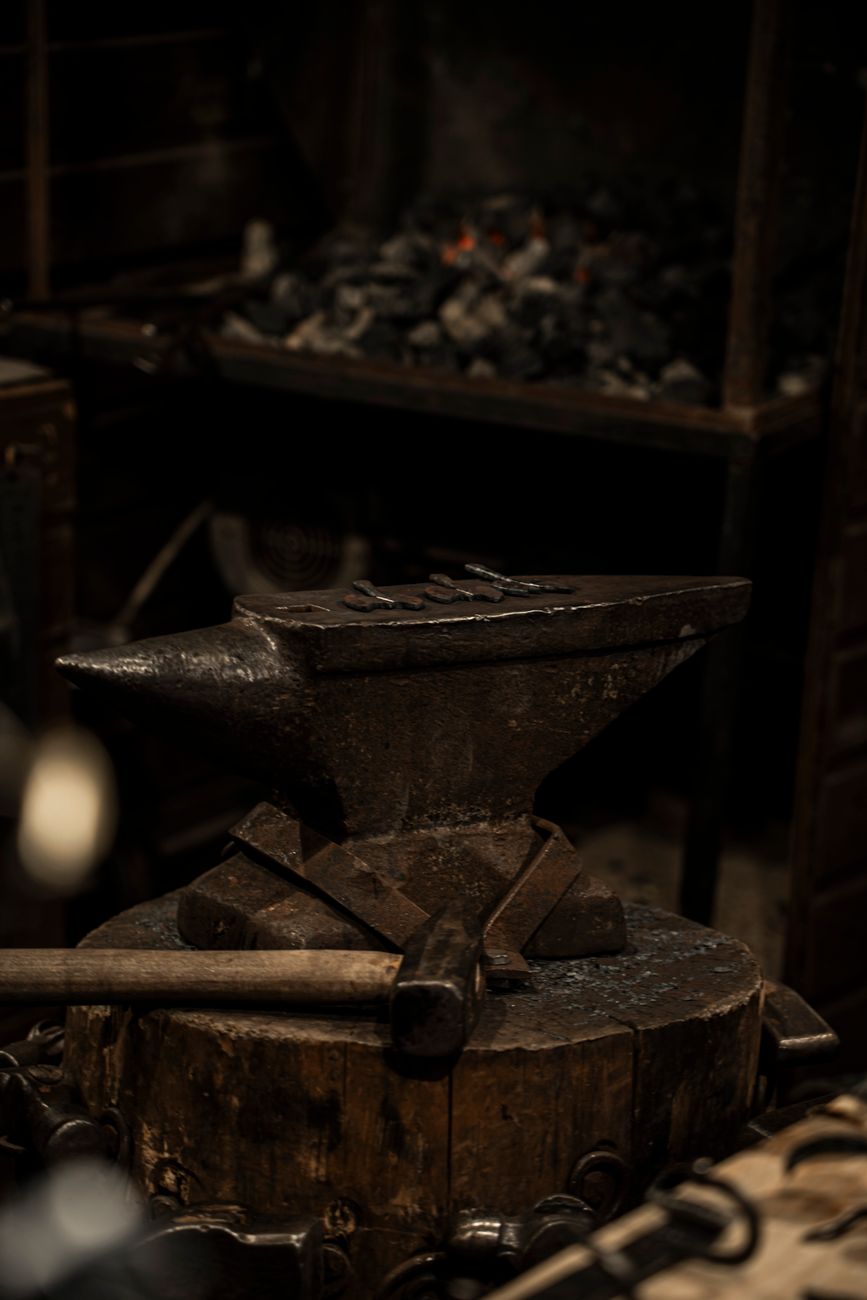
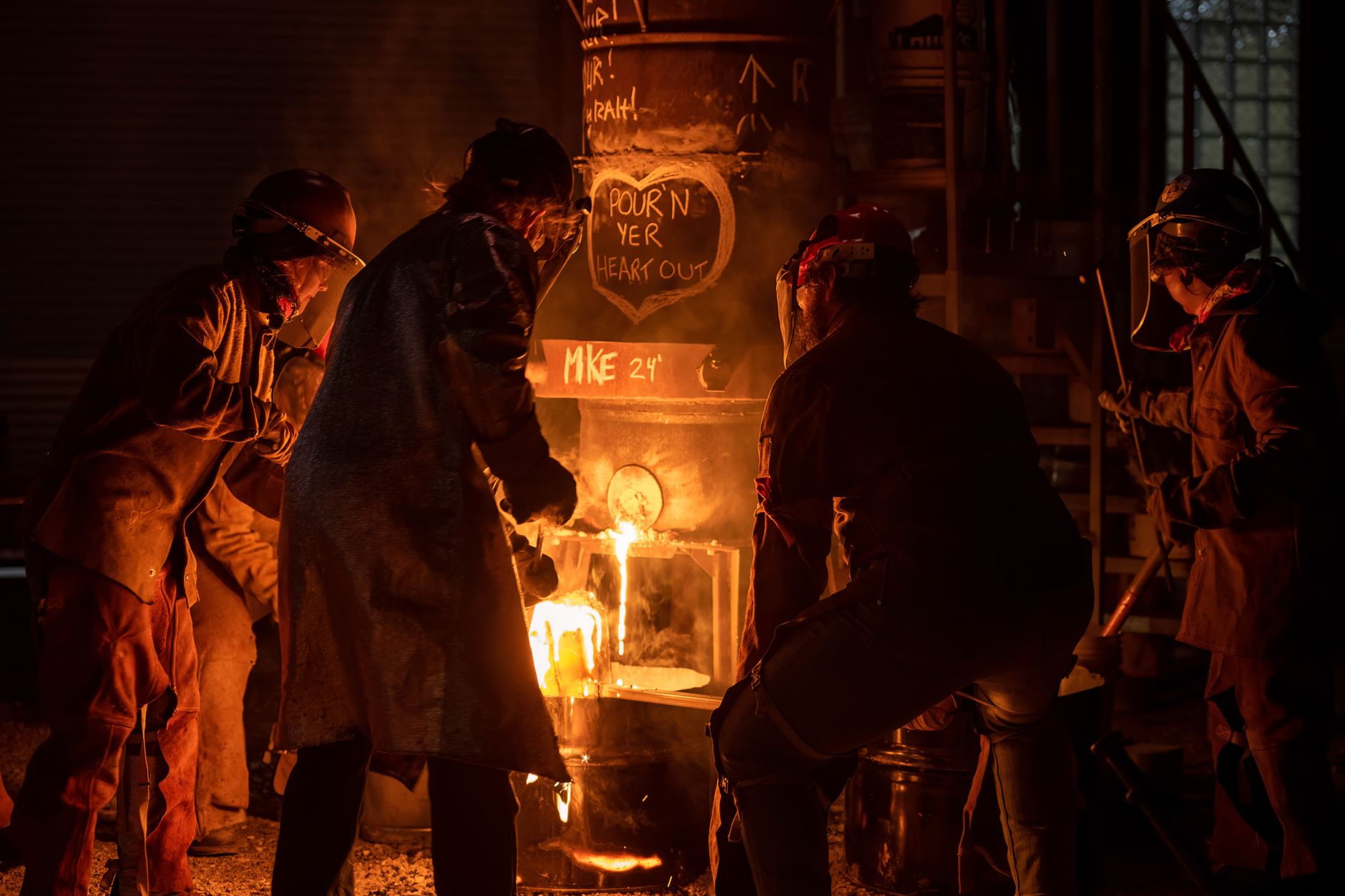
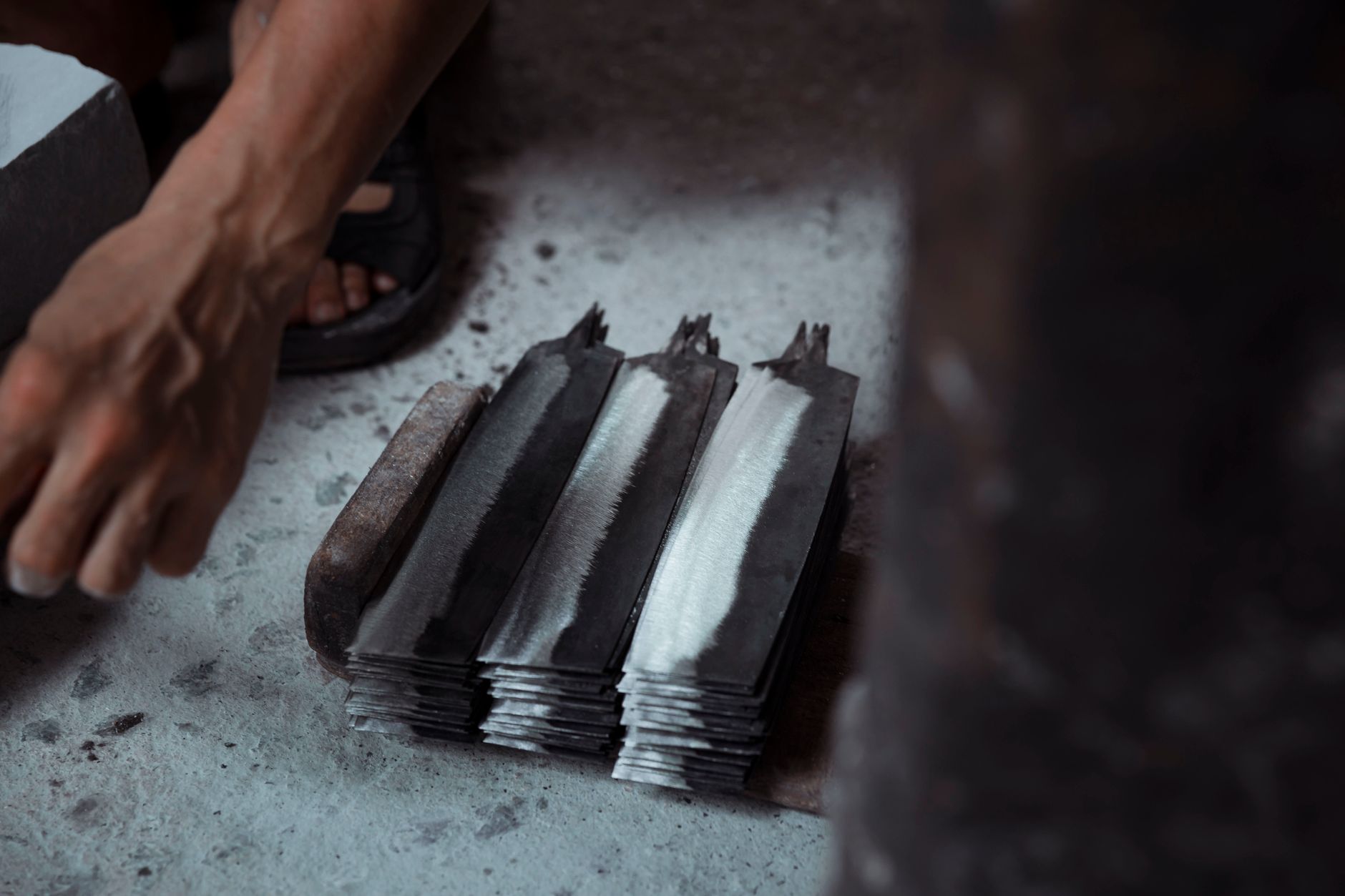
Every color is a temperature, and every temperature is a decision.
Cherry red at 815°C is the sweet spot — soft enough to move, cool enough to keep the carbon in the edge. White-hot at 1200°C means you've gone too far and the steel is burning.
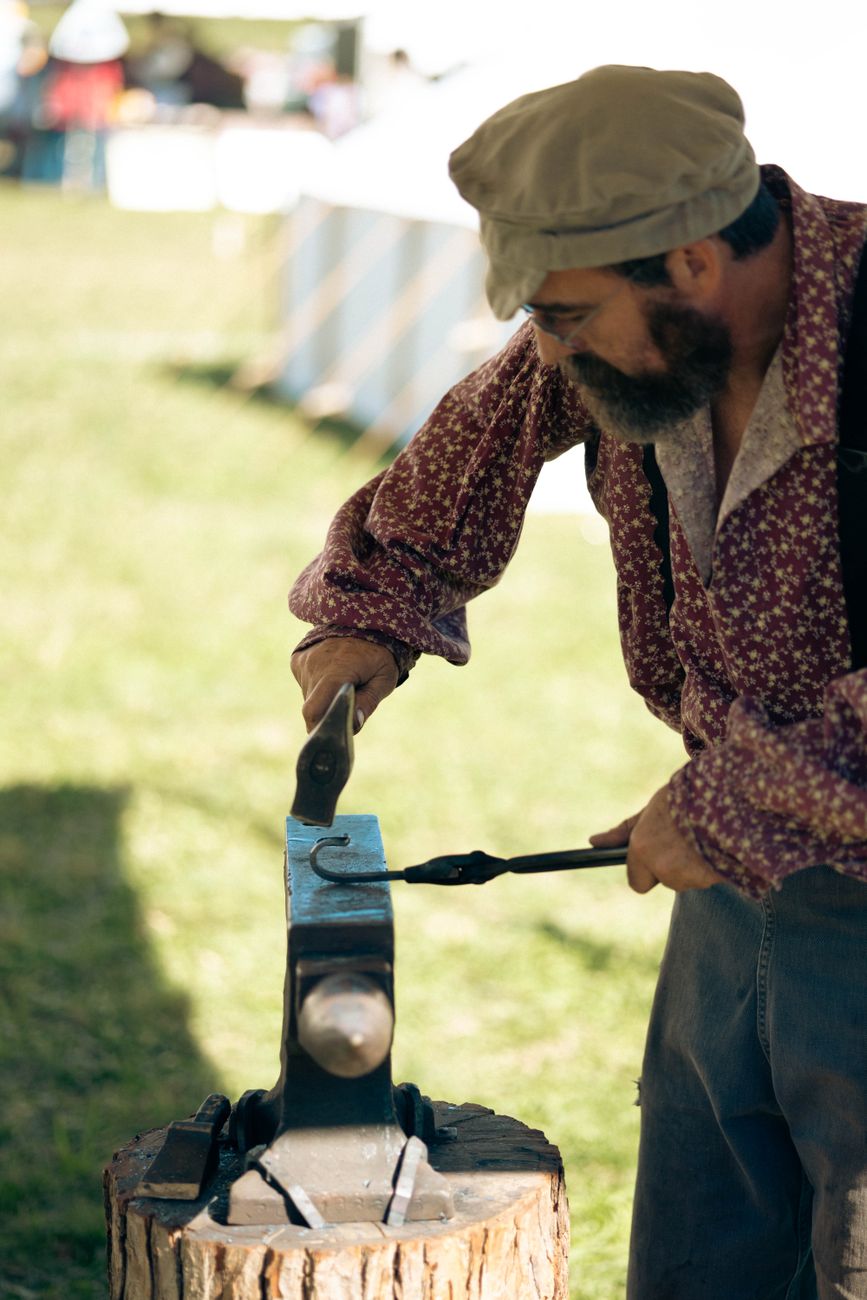
A hammer blow, frame by frame.
The stock decides the blade.
The blade steel. Hardenable, forgiving, everywhere.
Two steels welded, folded, and etched into a pattern.
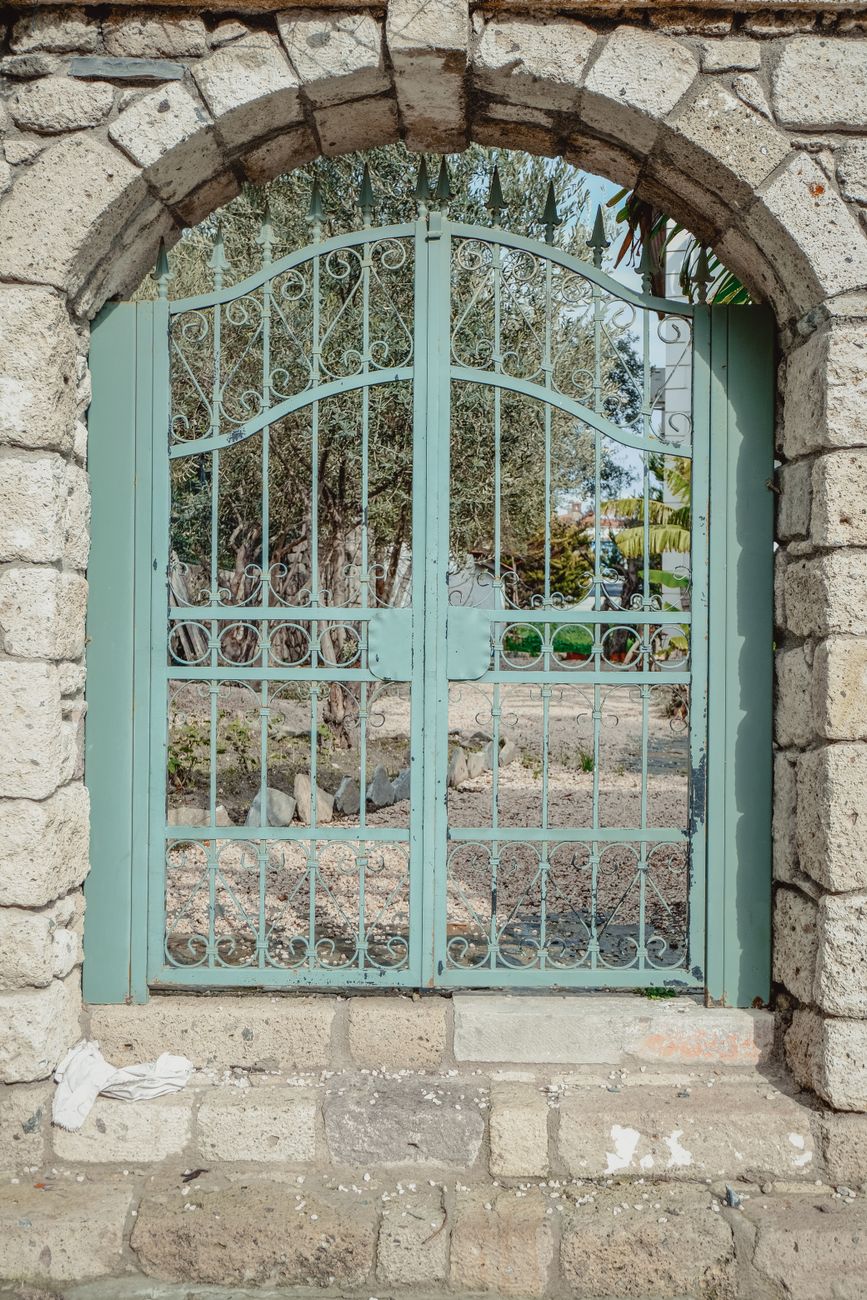
Soft, ancient, and the reason the craft exists at all.
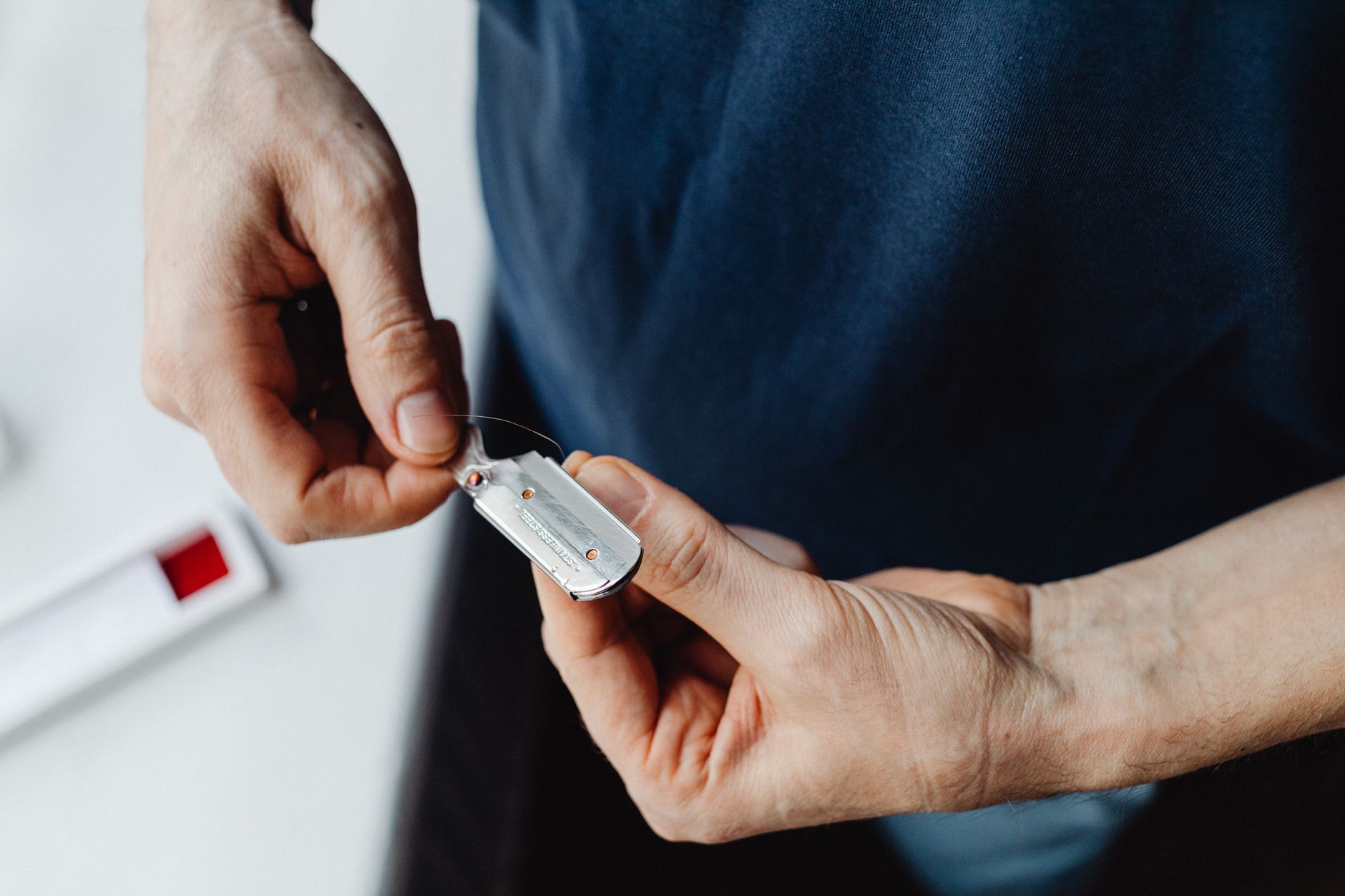
Fibrous and forgiving, the metal of the last thousand years.
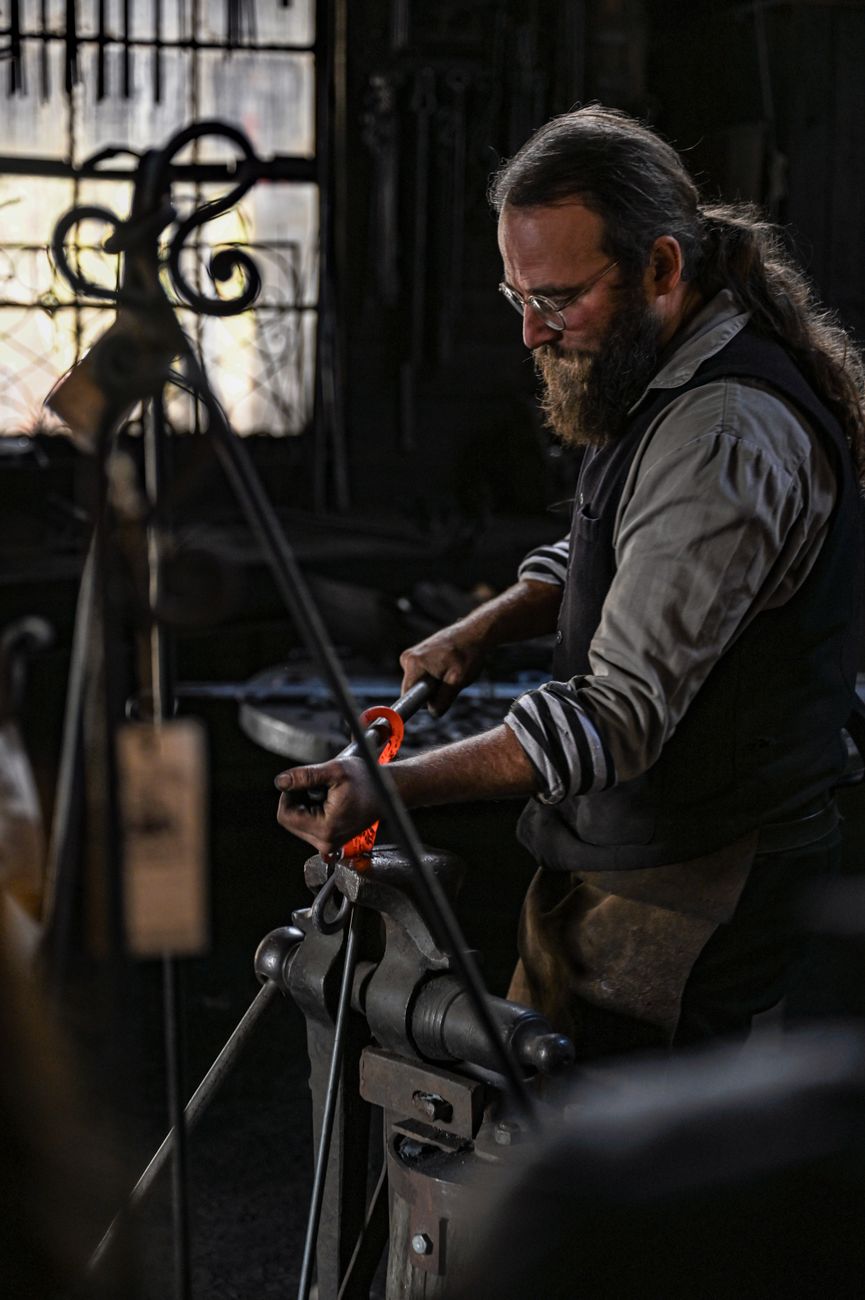
I lit my first forge in a rented garage with a borrowed anvil and a hairdryer for a bellows. The first thing I learned: steel will tell you everything, if you watch the color. The second thing: most beginners hit it too much.
A knife is maybe three hundred hammer blows and ten thousand hours of judgment in between. The blows are the easy part. The judgment — when the steel is hot enough, when it's done moving, when to set the hammer down — is the craft.
So that's what we built here. Not a gallery of finished blades, but the judgment in between. The heat colors, the quench line, the reason a two-pound hammer outworks a four-pound one. Everything the old hands know, written down before it's forgotten.
Live, from our backend.
People who finally stopped burning their edges.
"I'd been forging for two years and still couldn't read the heat. The color scale on this site finally made it click."
"The quench guide saved my first real knife. Tempering it right was the difference between a tool and a paperweight."
"I came for the damascus tutorial and stayed for the community. The hammer-ins are where I actually learn."
Where the forge is going.
Forge skills library + the heat-color scale, live in beta.
Community maker directory and monthly hammer-ins.
Video lessons — quench, temper, and damascus, shot in real shops.
A forge-finder map so you can join a real hammer-in near you.
heat, hammer, quench.